
My City. My Symphony. Meet Jessica Pickersgill
by Rebecca Marchand
Jessica Pickersgill knows what it means to build a life in music from the inside out.
Today, audiences see her name in the Victoria Symphony program as a tenured violist. But before that, they were hearing her from the stage for years as one of the orchestra’s trusted substitute players—the musicians who step in week after week, often quietly and without much public recognition, helping make performances possible.
In a way, the path for Jessica from extra player to permanent member of the orchestra, is like a love letter to the city and the Symphony she loves. It’s a story shaped by family, teachers, mentors, persistence, and a deep belief in the power of music.
A Musical Life, Rooted in Victoria
Jessica’s connection to VS didn’t begin on stage, it began in the audience and in the classroom.
“I was born and raised here,” she says. “I went to Symphony SPLASH!, Education Concerts… all of it.”
From an early age, she was fortunate to have music woven into the fabric of her life.
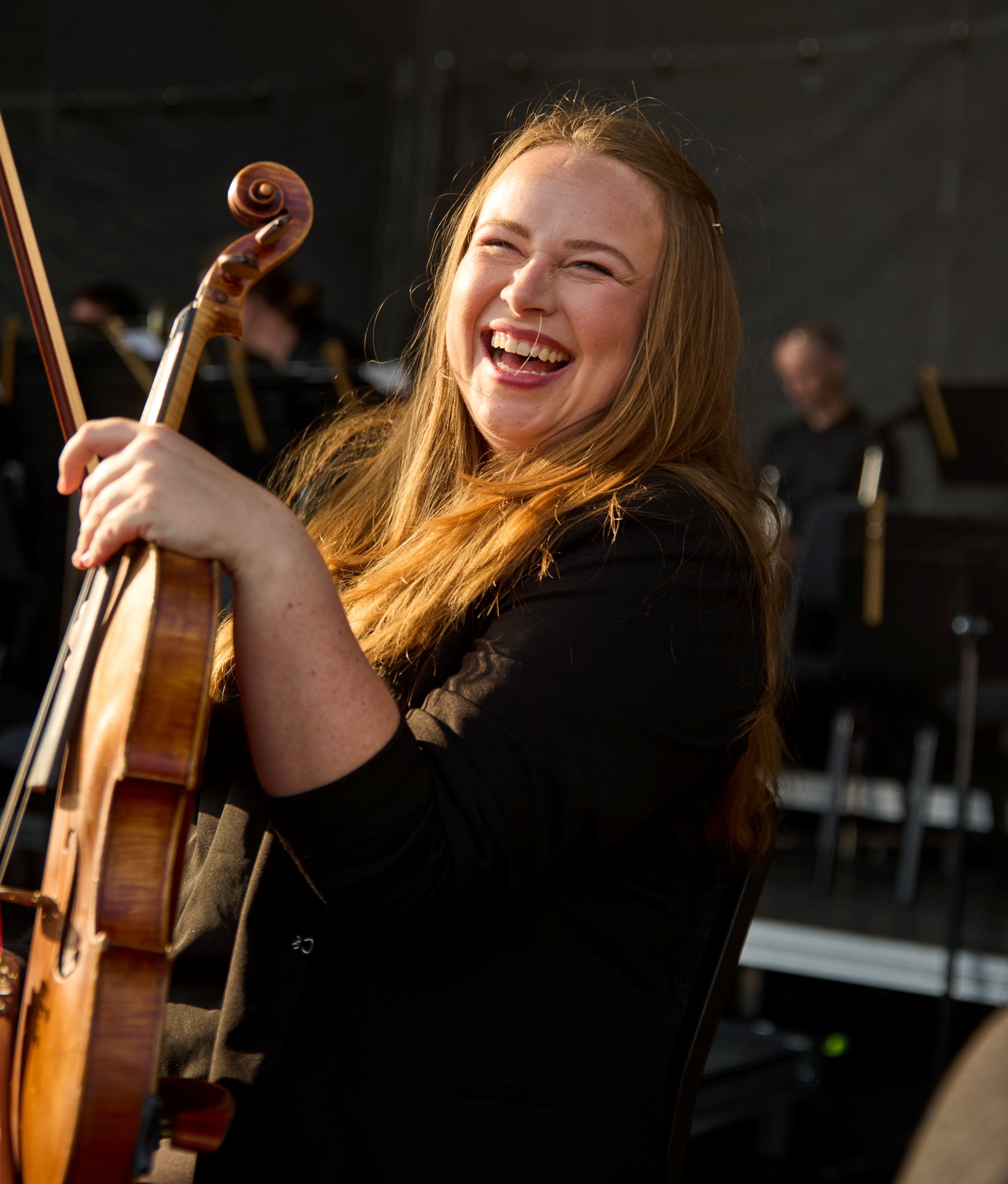
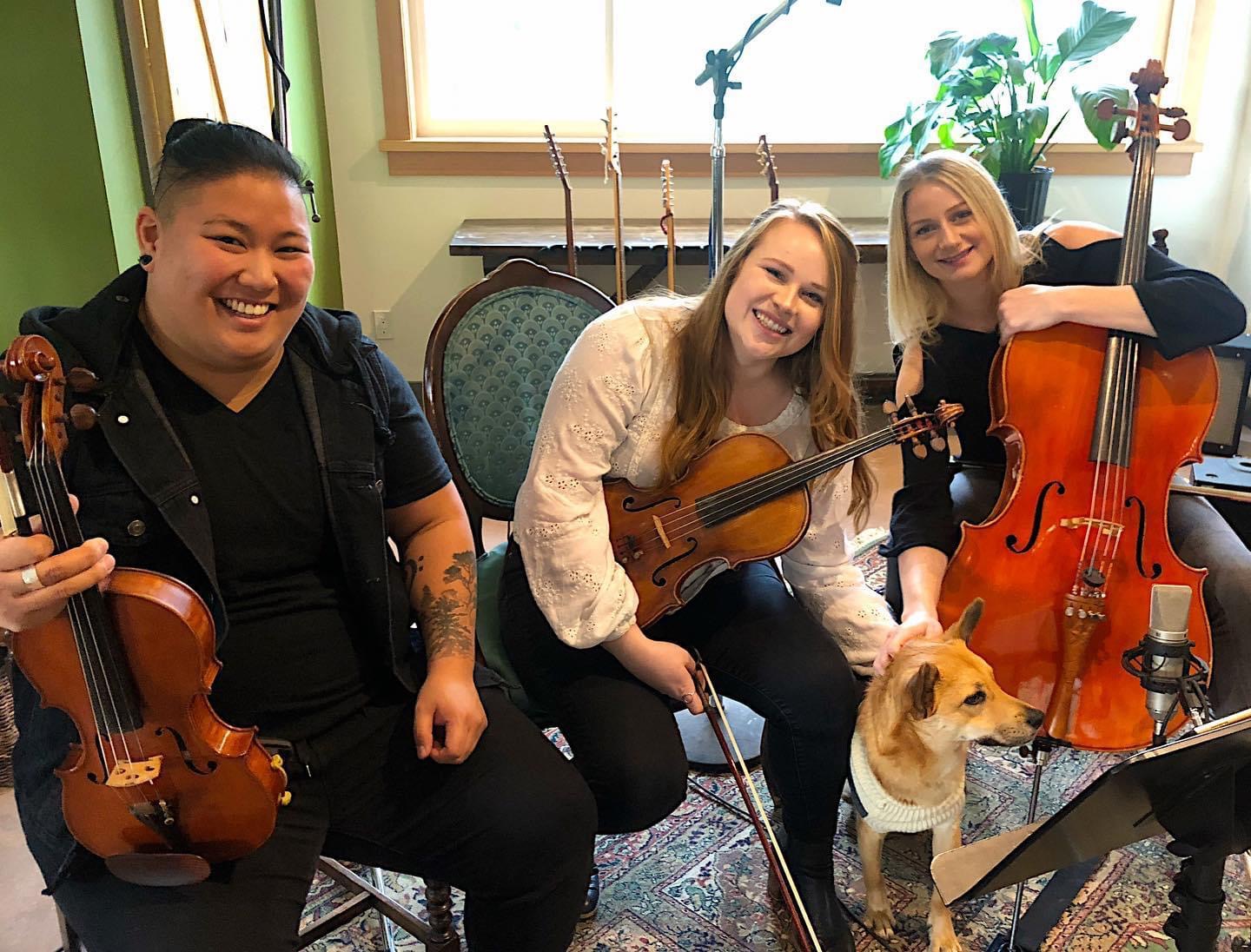
Jessica Pickersgill, viola
“My family has always loved music,” she says. “My mom had thousands of CDs, I’m not even kidding—our basement was full of them. There was always something playing: jazz, bossa nova, ’80s rock, classical… everything.”
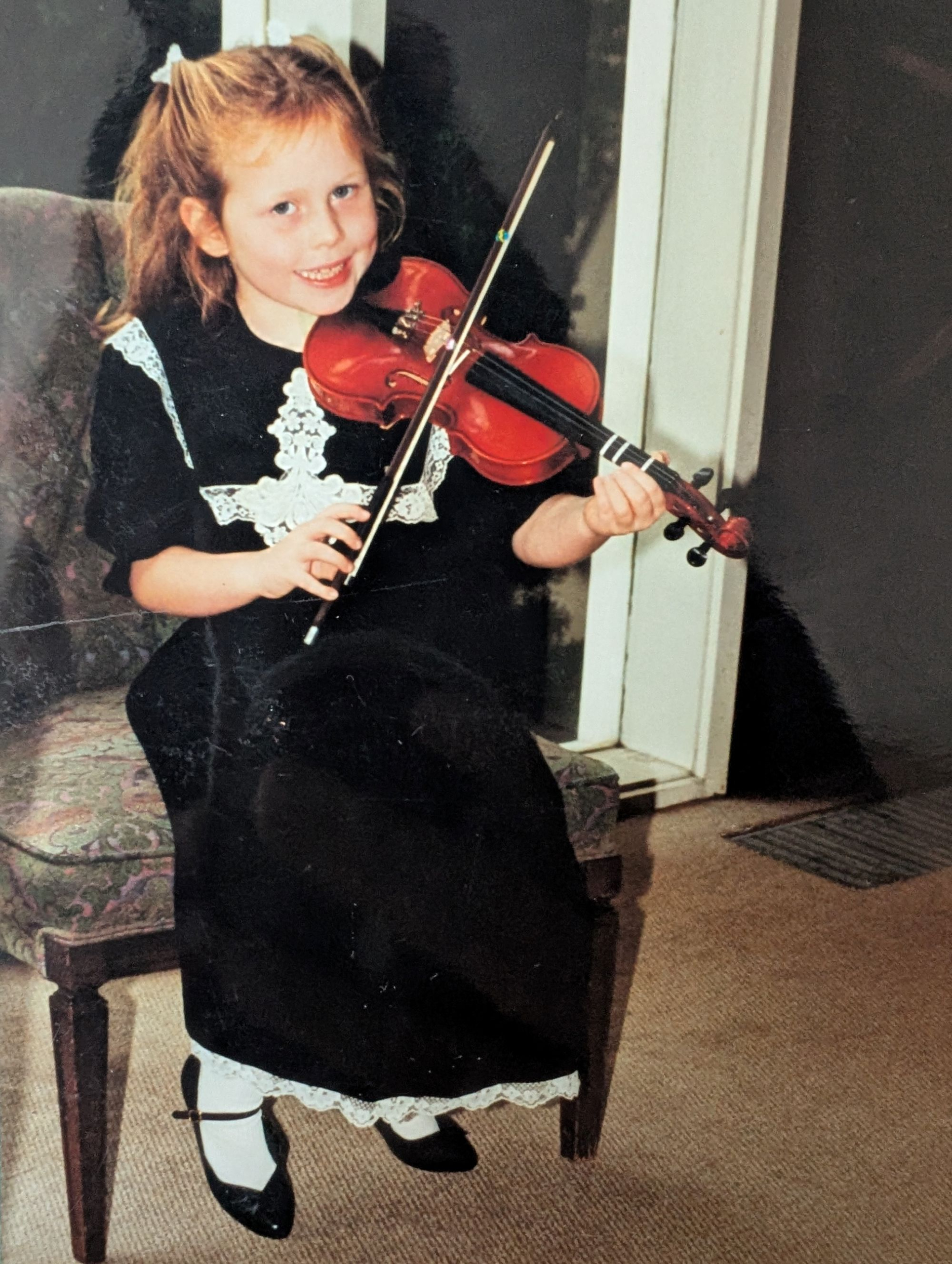
She studied at the Victoria Conservatory of Music, working with teacher Kathryn Ranger and being coached by VS musicians along the way. Her father, who had played trumpet, even learned violin alongside her when she started at age six. “I hated practicing,” she admits, smiling. “Like, full-on resistance. But I loved performing.”
A turning point came at fourteen, when she was introduced to the viola.
“My teacher said, ‘Have you considered viola?’ and I was like, ‘What is that?’” she laughs. “But it just fit. Suddenly I was playing better, winning awards, and I thought, ‘Well, I guess I’ll do this.’”
Progressing also meant discovering that the thing she had grown to love, could be a viable career. Difficult, but doable and extremely fulfilling.
“My teacher Kathryn, I owe everything to her. She kicked my ass,” Jessica says laughing, “but she made it clear what could be possible, and I’ll always be grateful to her for doing that.”
Finding Her Path
Jessica’s path eventually took her beyond Victoria. She completed her undergraduate degree at the Robert McDuffie Center for Strings in Georgia, where she toured internationally, followed by a master’s degree at the New England Conservatory in Boston.
Returning to Victoria meant starting from scratch professionally but not entirely alone.
“I was lucky. I had a musical community here who knew me. But I was still freelancing, saying yes to everything,” she says. “Weddings, gigs on the Gulf Islands, concerts with no audience, sometimes calling in sick when I was actually playing a concert—you name it. It was wild.”
Her first experience playing with the Victoria Symphony came in a moment that feels almost cinematic in hindsight. She was scheduled to audition as an extra but got an unexpected call to sit in on a rehearsal for the Christmas Pops concert.
“So there I was sitting next to Kenji (Fuse, Principal Viola) playing ‘Jingle Bells,’ terrified out of my mind, thinking, ‘I haven’t even auditioned yet!’” She laughs. “Then we went downstairs and I did the audition in the change room. It was all a bit surreal.”
Whatever that audition committee heard from Jessica that day, they liked because she has been performing with the Symphony ever since.
“I subbed for almost ten years,” Jessica says, “But there are others who’ve been doing it even longer.”
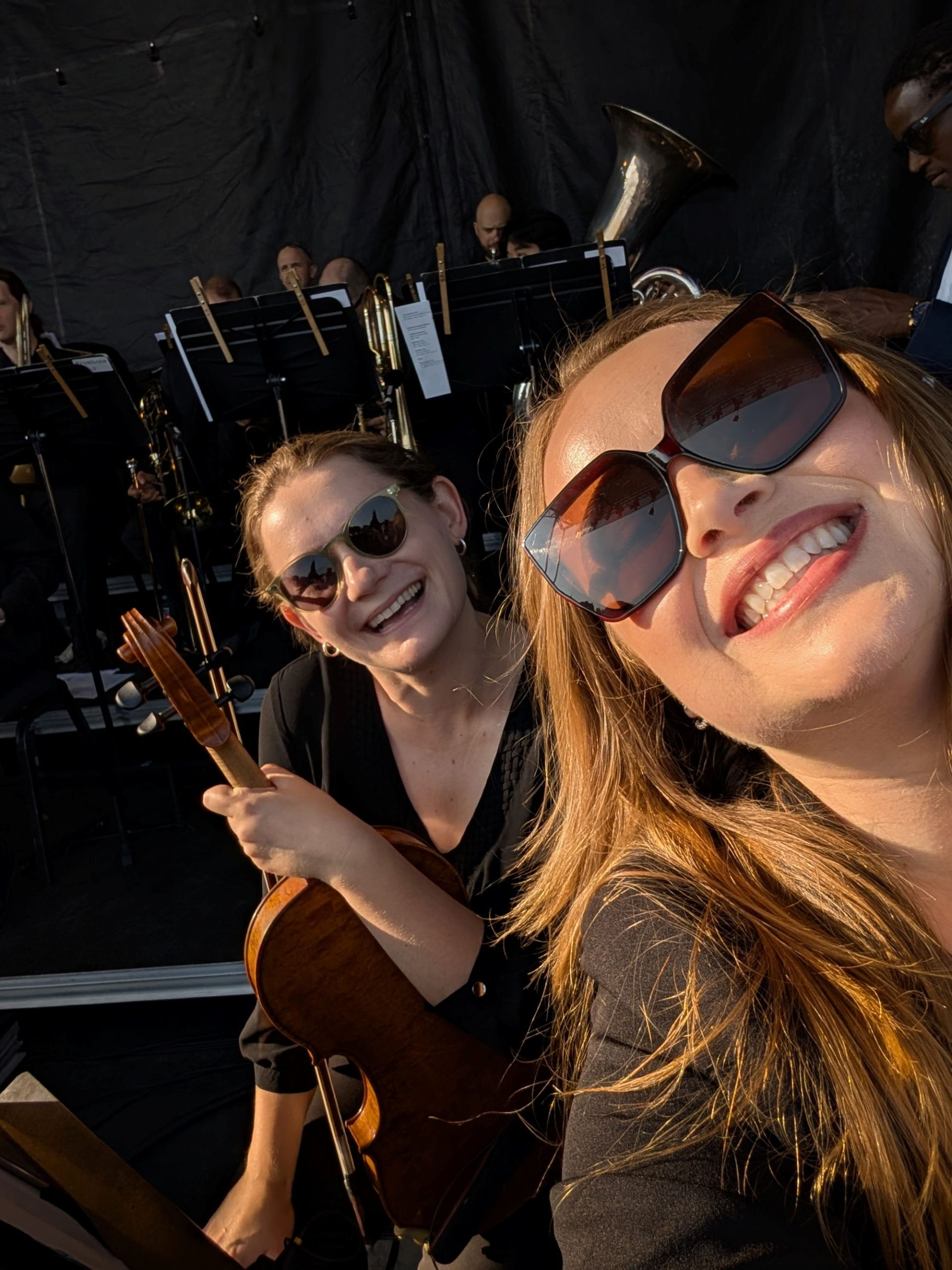
The “Silent Force” Behind the Sound
In the orchestral world, substitute or “extra” players are musicians who are called in when repertoire requires larger forces, or when illness, travel, or scheduling gaps leave an empty chair on stage. In a smaller orchestra like VS, their role isn’t just helpful—it’s essential.
“With smaller sections, everything is very exposed,” Jessica explains. “From a musical standpoint, we’re really reliant on this kind of silent force of extras making it all possible.”
That phrase—silent force—feels exactly right. These are the players who show up week after week, without the stability or recognition their colleagues have, and seamlessly blend into the ensemble. Their contribution is indispensable. “It becomes part of your livelihood,” Jessica adds. “Even though there isn’t a contract, that’s your income.”
And yet, for Jessica, the experience in Victoria always felt different from elsewhere.
“I’ve subbed with other orchestras, and you never quite feel like part of the team. There’s always a bit of ‘you’re just filling in’,” she shares. “But here, it never felt like that. Victoria is such a welcoming orchestra, you always felt included.”
It’s one of the reasons we’re fortunate so many substitute players stay.
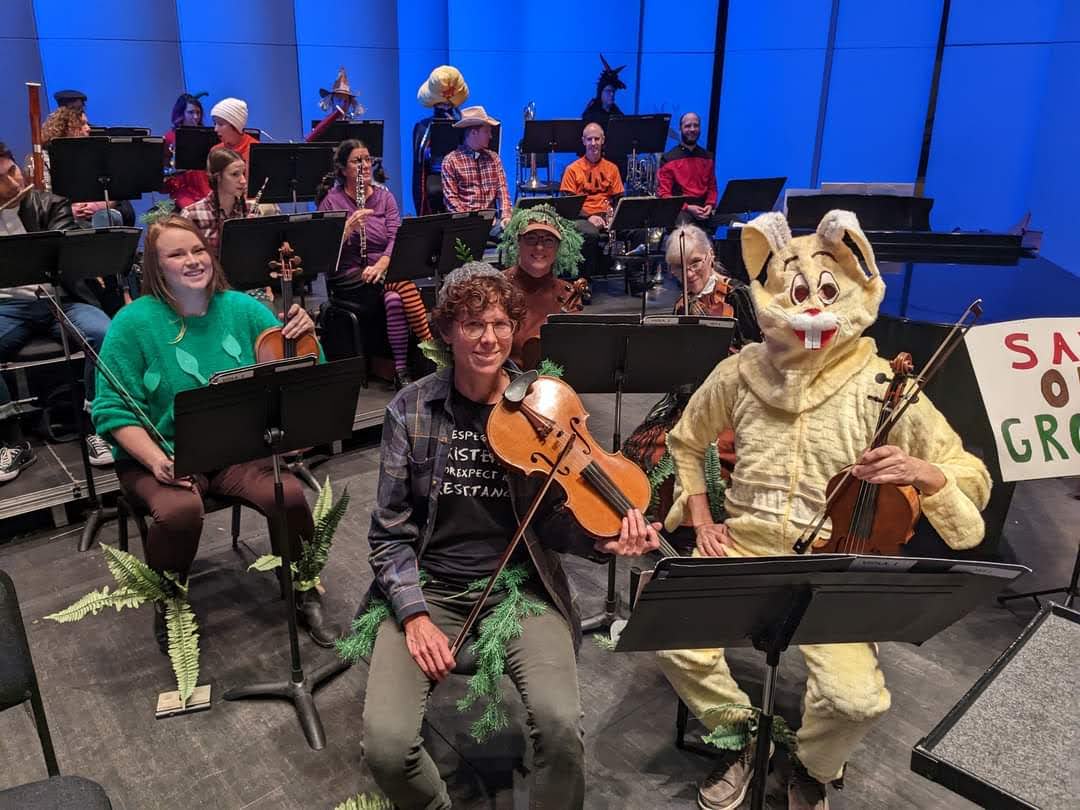
“Really?!”
Often, the path from substitute to permanent player is uncertain and sometimes never comes.
Jessica stayed. She built a life. She played.
And she waited.
“There hadn’t been a viola audition here in twenty-five years. It’s a strange place to be,” she explains. “You’re hoping for an opportunity, but these are your friends you don’t want anyone to retire. And you’re also trying to figure out—do I audition elsewhere? Do I stay?”
When the retirement of longtime violist Stacey Boal came, opportunity knocked and brought the best possible result.
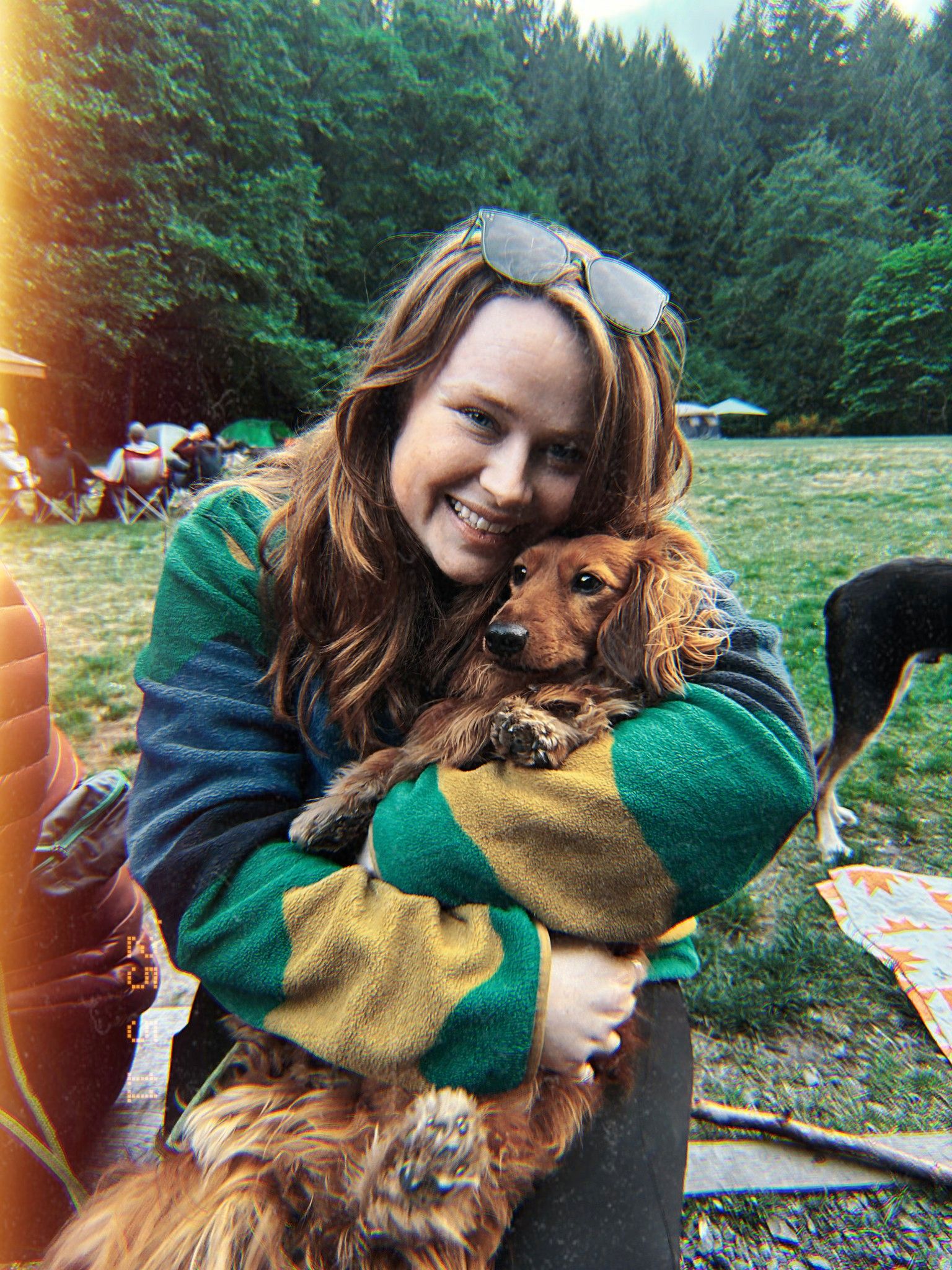
“They called my number— ‘Contestant 15’—and the first thing out of my mouth was ‘Really?!’” she laughs. “Not very professional, but there it is.”
It was, in every sense, a full-circle moment. “To have the people who shaped you from when you were fourteen now be your colleagues… it’s very special,” she says, her voice softening. “I feel very lucky. I don’t take that for granted.”
Her parents, who had supported her from the beginning, were among the first to hear.
“I called them from the car, crying,” she says as she remembers her mom screaming with excitement when she heard the news. “And when my dad picked up, he just said, ‘Well?’ and I said, ‘So I did it.’ It didn’t click at first, but when it did, he was pretty stoked.”
The Quiet Shift
Today, Jessica’s name appears in the program, which might seem small but can feel like a milestone after years of playing without that recognition.
“It’s really nice,” she says. “But it also feels the same in a way. There’s more responsibility, more security—but I’m still part of the same community.”
Because every time the orchestra expands to perform a larger work, every time a substitute steps in to ensure the music goes on, there is a community making it possible.
It’s not just the musicians on stage. It’s the entire community that surrounds them off stage too.
“We can feel that. The community is really showing up,” Jessica says, “It means the world.”
The Feeling That Matters
Ask Jessica what she hopes audiences take away from a concert, and her answer is disarmingly simple.
“I hope they feel something,” she says.
Not necessarily joy, or awe, or even comfort—just something. “Sometimes you hear something and think, ‘I didn’t like that at all,’” she says. “But that’s still a feeling. That’s still an experience. And that’s important.”
Frank was so proud of you. Iam too.
You sure earned all of your rewards. Hope the keep comming. Love you
It’s a great pleasure to learn about the musicians I hear at least 15 times during the year.
Was at the R .A.M. many many years ago ago, and I think you all amazing, thanks for all you do, I’m now 87……..Ursula